
"espresso sensory"
400 article(s) found

Analysis of coffee composition where does the bitterness in coffee come from
A cup of coffee is a complex drink made up of more than 30 chemicals that determine the taste, aroma and acidity of the coffee. Since the 1930s, scientists have isolated and identified a variety of chemicals related to the sensory composition of coffee, but no one can figure out what makes coffee so bitter. In order to solve this mystery, science has to cook.

Let's digitize the production process of espresso.
Italian Coffee University (China) Let's digitize the production process of espresso. A cup of high-quality espresso requires 67 grams (about 50) of Arabica coffee beans, ground into a fine powder of about 1 micron in diameter, and flows through about 30 cubic centimeters (30cc) of water at a temperature of 90 degrees Celsius at 9 atmospheres. Within 30 seconds, extract about 30cc coffee liquid. this
Basic knowledge of coffee where does the bitterness in coffee come from
A cup of coffee is a complex drink made up of more than 30 chemicals that determine the taste, aroma and acidity of the coffee. Since the 1930s, scientists have isolated and identified a variety of chemicals related to the sensory composition of coffee, but no one can figure out what makes coffee so bitter. In order to solve this mystery, science has to cook.
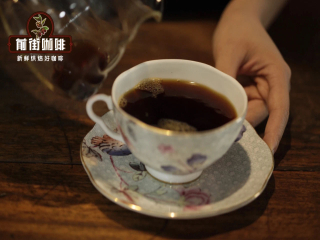
What kind of coffee do people who know coffee usually drink? People who really know coffee drink espresso and hand-brewed coffee
People who know coffee drink all kinds of coffee! Everyone will think that people who know coffee must have a cup of black coffee every day, but this is not the case. If you are a beginner who wants to start drinking coffee, we recommend that you try cappuccino, latte, American or mocha first. Let the flavored coffee pass with cream and sugar

Make Italian Coffee digitize the process of making espresso
Let's digitize the production process of espresso. A cup of high-quality espresso requires 67 grams (about 50) of Arabica coffee beans, ground into a fine powder of about 1 micron in diameter, and flows through about 30 cubic centimeters (30cc) of water at a temperature of 90 degrees Celsius at 9 atmospheres. Within 30 seconds, extract about 30cc coffee liquid. This surface is covered with brown

Understand the coffee culture and development in Australia
Coffee is everywhere in Australia, and the Australian nation is also one of the most coffee-loving nations in the world. They even think they love coffee more than anyone else. Australia's coffee culture is not only the upper-class play of the petty bourgeoisie in the center of the city, nor is it just a business game for tourists along Australia's golden coastline, it permeates the towns dotted all over Oceania.
Espresso Al's Rule
Al Critzer's understanding of Espresso extraction has now become the most common Espresso concept in Europe and America. Take the result of 30cc/ 30sec to get a perfect cup of Espresso as the starting point. These two values depend on the beans, of course, and differences in baking methods, baking degrees, and recipe proportions naturally lead to changes in the reference point. Extraction quantity and extraction time mutually interact

Coffee common sense Let's digitize the espresso making process
Café Université illy (China) Let's digitize the espresso making process. A cup of high-quality espresso requires 67 grams (about 50 beans) of Arabica coffee beans, ground to a fine powder of about 1 micron in diameter, and flowing through about 30 cubic centimeters (30cc) of water at 90 degrees Celsius at 9 atmospheres to extract about 30cc of coffee solution in less than 30 seconds. this

Espresso roasted coffee beans by grinding several degrees of powder at Starbucks
Espresso roasted by grinding several degrees of powder at Starbucks [Body]: the taste of the tongue after drinking coffee. The change of alcohol content can be divided into light to light as water to light.

Where does the bitterness in the coffee come from? Why is coffee bitter?
A cup of coffee is a complex drink made up of more than 30 chemicals that determine the taste, aroma and acidity of the coffee. Since the 1930s, scientists have isolated and identified a variety of chemicals related to the sensory composition of coffee, but no one can figure out what makes coffee so bitter. In order to solve this mystery, science has to cook.
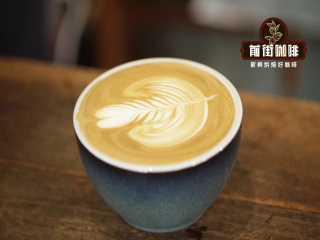
How can milk coffee be sweet? What if the latte tastes too bitter? The skill of making latte.
How can milk coffee be sweet, and some friends will still feel bitter when drinking lattes and cappuccinos? what should I do? Personal advice can be drinking barista said, let him give you more milk, or add a little sugar, can make the coffee less bitter, you can also use the above method at home. The smell of a latte.
Espresso-Backwards thought 1
Espresso's learning is still based on these basic parameters, but it is more closely related to one's own senses.

Why is there salty coffee in my coffee? why is the coffee salty?
Professional coffee knowledge exchange more coffee bean information Please pay attention to the coffee workshop (Wechat official account cafe_style) Coffee not only has a bitter taste, but also has a rich sour taste to set off the sweet taste of coffee, the aroma of coffee has the dry aroma of roasted or ground, the wet aroma of coffee extract, this aroma can stabilize people's mood and improve sensory sensitivity. The more you learn about it,

I'm sorry, pulling flowers has nothing to do with boutique coffee.
For professional baristas, please follow the coffee workshop (Wechat official account cafe_style). It is not clear when Lahua has become a part of boutique coffee. When customers patronize the boutique coffee shop, they take it for granted that there is a flower design in the milk coffee shop. But in fact, in addition to beauty, what is the role of flower pulling? Today, we discuss flower pulling from six aspects.
Evaluation of Philips Saeco fully automatic Italian Coffee Machine in Open Box
The exchange of professional baristas please follow the coffee workshop (Wechat official account cafe_style) Jimmy likes coffee very much. Mellow and good coffee is not only refreshing, but also a good helper for creation. Sometimes when inspiration is exhausted, having a cup of coffee can make humanistic thoughts flow! No wonder many creators like to make coffee shops. There are so many kinds of coffee, Jimmy likes Italian best.

Al's Rule of Espresso
Al Critzer's understanding of Espresso extraction has now become the most common Espresso concept in Europe and America. Take the result of 30cc/ 30sec to get a perfect cup of Espresso as the starting point. These two values depend on the beans, of course, and differences in baking methods, baking degrees, and recipe proportions naturally lead to changes in the reference point. Extraction quantity and extraction time mutually interact
Al's Rule extracted by Espresso (Ayer's Rule: sweet Point Formula)
The Al's Rule of Espresso extraction (Al rule: sweet point formula) each increase in the extraction amount of 5cc, the extraction time should be subtracted from 1sec. On the contrary, add 1sec.

Al's Rule of Espresso extraction of espresso
Al Critzer's understanding of Espresso extraction has become the most common concept of Espresso in Europe and the United States. The translation is as follows: starting with the result that 30cc/ 30sec gets a perfect Espresso. These two values of course depend on beans, and the differences in baking method, baking degree and formula ratio will naturally lead to changes in the reference point. The extraction quantity and extraction time are mutually related.

Al's Rule extracted from Italian espresso by Espresso
Al Critzer's understanding of Espresso extraction has become the most common concept of Espresso in Europe and the United States. The translation is as follows: starting with the result that 30cc/ 30sec gets a perfect Espresso. These two values of course depend on beans, and the differences in baking method, baking degree and formula ratio will naturally lead to changes in the reference point. The extraction quantity and extraction time are mutually related.

Taste characteristics of Yejiaxuefei Coffee beans
Colombian coffee bean taste Yega Chuefei Coffee characteristic Flavor description Grinding scale introduction to espresso: deep-roasted coffee, significantly acidity Italian roasted coffee, smoother and slightly sweeter than espresso and with lower acidity. French roasted coffee: has a strong smoky taste and has a low almost imperceptible acidity. Concentrated baked coffee